Flat moving guide for N11 Friern Barnet estates and roads
Moving a flat in Friern Barnet can feel simple on paper, then suddenly you are juggling stairwells, parking bays, narrow estate roads, and a sofa that seems to have grown overnight. If you are planning a flat moving guide for N11 Friern Barnet estates and roads, this article walks you through the real-world details that matter: access, timing, packing, building rules, and the little decisions that make moving day calm instead of chaotic.
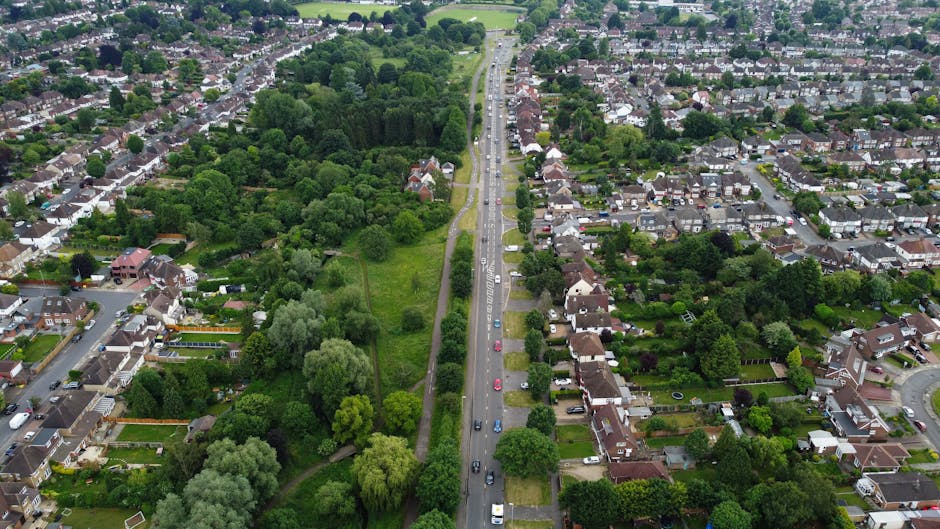
Friern Barnet has its own rhythm. Some roads are straightforward; others are busier than they look, especially at school-run times or during the evening commute. Estates can bring their own quirks too: shared entrances, lift bookings, limited loading space, and those awkward corners where a van has to take a careful second try. The good news? Most of this is manageable with the right plan. Let's map it out properly.
Why Flat moving guide for N11 Friern Barnet estates and roads Matters
A flat move is never just a lift-and-load job. In N11, the difference between a smooth move and a frustrating one often comes down to the estate layout and the road outside your door. That sounds obvious, but people still get caught out. A van can arrive on time and still lose twenty minutes because the only convenient loading spot is blocked, or because the route to the front door has a longer carry than expected.
This guide matters because it helps you think like the move itself. Where will the van stop? How far is the walk from the entrance to the flat? Is the lift actually available, or booked out by another resident? Are the roads wide enough for a larger vehicle, or would a man and van style move be easier for smaller loads? These are the small details that decide whether moving day feels organised or slightly ridiculous.
Friern Barnet estates can be especially sensitive to timing. Morning traffic, tight shared spaces, and residents coming and going all create bottlenecks. On some roads, one parked car in the wrong place can change the whole plan. Truth be told, the most successful moves here are rarely the most dramatic ones; they are the ones where someone checked the access properly the day before.
Expert summary: In N11, a good flat move is less about strength and more about sequencing. Check access, protect the route, keep load sizes realistic, and choose the right service level for the building. That alone removes half the stress.
How Flat moving guide for N11 Friern Barnet estates and roads Works
The process is usually straightforward once you break it down. Start by understanding the flat, the building, the road, and the items being moved. Then match the job to the right moving method.
For smaller flats, a compact vehicle and a well-planned loading window may be enough. For larger moves, or moves with furniture storage needs, a combined removals and storage approach can be easier, especially if the new place is not quite ready. In many cases, a full flat removals service gives you the right balance of labour, packing support, and handling care.
What actually happens on the day?
- The mover confirms access details and arrival time.
- Items are carried from the flat to the vehicle using the shortest safe route.
- Large items are loaded first, followed by boxes and soft items.
- Fragile belongings are separated and secured so they do not shift in transit.
- If required, items are taken to storage rather than directly to the new address.
That last point matters more than people expect. If your completion is delayed, or your flat needs decorating before move-in, temporary storage can be a genuine sanity-saver. Services such as short-term storage or removals and storage are particularly useful when timing is a bit messy, which, let's face it, happens quite often.
Road conditions also shape how the move works. On wider streets, a larger removals van may be fine. On narrower estate roads, a smaller vehicle might mean less hassle and quicker loading. If the property has no lift or the stairwell is tight, the route from the van to the front door becomes part of the service, not just the backdrop.
Key Benefits and Practical Advantages
The biggest advantage of planning a move around Friern Barnet estates and roads is control. Not control in a perfect, spreadsheet sort of way. Real control. The kind that stops you carrying three heavy boxes twice because the first parking spot turned out to be hopeless.
Here are the practical benefits worth caring about:
- Less wasted time: A planned loading point reduces avoidable delays.
- Lower risk of damage: Shorter, safer carrying routes usually mean fewer knocks and scuffs.
- Better cost efficiency: When access is clear, the move often takes less labour time.
- Less strain on you: Fewer trips up and down stairs, fewer awkward turns, less backache.
- Better fit for your building: Estate rules, lift use, and neighbours are easier to manage when planned early.
There is also a hidden benefit: confidence. Once you know the route, the timing, and the parking plan, moving day stops feeling like a mystery. You are not hoping for the best. You are working the plan.
If you are moving a mixed load, for example a one-bedroom flat plus a couple of awkward items, a smaller move option can be enough. For that kind of job, small removals can be a smart fit. If the move includes specialist items, a little extra care from packing services can save a surprising amount of time later.
Who This Is For and When It Makes Sense
This guide is useful for anyone moving within or into N11, but it is especially relevant if you live in a flat on an estate, have limited parking, or need to move through communal access points. If you are on the first floor with no lift, you already know the soundtrack: doors opening, footsteps on stairs, the occasional apologetic pause while someone squeezes a wardrobe round a landing. It is normal. Just plan for it.
This is a good fit if you are:
- moving from a studio, one-bed, or two-bed flat in Friern Barnet
- dealing with shared entrances, intercoms, or lift restrictions
- moving furniture that needs careful carrying
- working around a lease-end or a tight handover window
- splitting the move across two addresses or needing storage in between
It also makes sense for students and renters who do not want to overbook a large removal team for a fairly compact load. In those cases, a lighter service can feel more sensible, especially if access is simple and most items are boxed already. On the other hand, if you have heavy furniture, delicate belongings, or a building with awkward access, a more structured removals approach is usually the safer call.
And if you are moving business items from a home office or a small workspace, it can be worth looking at office removals or business storage depending on the setup. Mixed domestic and work moves are more common than people think.
Step-by-Step Guidance
Here is a practical way to organise the move without overcomplicating it.
- Check building access first. Measure doorways, note stair turns, and confirm whether the lift can be used for furniture.
- Identify the loading point. Find the nearest legal place for a van to stop. If the road is busy, consider timing the move to avoid peak congestion.
- Sort and reduce items. Do not pay to move things you no longer want. Old clothes, duplicate kitchen bits, and mystery cables can go. Honestly, they multiply in flats.
- Pack by room and priority. Label boxes clearly. Keep daily essentials separate so you are not hunting for a kettle at 9 p.m.
- Protect fragile items. Use proper wrapping for glass, mirrors, and screens. Stack carefully, not ambitiously.
- Confirm the service type. Decide whether you need a full removals team, a local removals service, or just a vehicle and loading help.
- Prepare both addresses. Make sure keys, access codes, and parking instructions are ready for the new place too.
- Keep a small survival box. Tea, charger, toilet roll, medication, snacks, and a cloth. That box saves the day more often than you would expect.
One practical detail many people miss: if your current flat has awkward communal areas, clear the hallway the night before. It sounds minor, but those extra few feet of clear space can make lifting easier and reduce the chance of scratching walls. Small thing. Big difference.
Expert Tips for Better Results
The best flat moves in Friern Barnet usually have three things in common: decent timing, realistic load planning, and no overconfidence. That last bit is important. A wardrobe that looks manageable in the lounge can become a problem halfway down a stairwell. It happens.
These tips tend to help most:
- Book early for weekends and month-end moves. These slots go quickly because a lot of tenancies turn over around the same time.
- Avoid peak traffic where possible. An hour earlier or later can make loading far easier.
- Keep the route from the flat to the van clear. Shoes, plant pots, bins, prams, bikes, all of it should be moved out of the way.
- Use the right packing materials. Lightweight boxes for books, stronger boxes for crockery, and proper wrapping for fragile items.
- Label boxes on two sides. You will thank yourself when the stack is facing the wrong way. You always do.
If you are storing items before or after the move, try to group them by use rather than by room alone. For example, keep winter clothing together, or all non-essential kitchen items in one section. That makes future unpacking less of a treasure hunt.
Another useful move: photograph how wires are connected before unplugging anything. It takes seconds and can save half an hour of grumbling later. Not glamorous, but effective.
Common Mistakes to Avoid
Most moving problems are predictable. That is the slightly annoying bit. The good news is that predictable mistakes are the easiest to avoid.
- Assuming parking will be easy. In many N11 roads, it is not. Check restrictions in advance and have a fallback plan.
- Underestimating carry distance. A flat may look close to the road, but shared entrances and staircases add time.
- Leaving packing until the last night. Everyone means to avoid this. Very few actually do.
- Using oversized boxes. Heavy boxes become risky fast, especially on stairs.
- Forgetting building rules. Lift bookings, move-out hours, and noise restrictions can all matter.
- Not planning for awkward furniture. Sofas, mattresses, and wardrobes often need rotating or dismantling.
One more common issue is failing to think about what happens if the new place is not quite ready. If there is any uncertainty, explore storage early rather than as a panic response. A little planning now can save a very late evening later on.
Tools, Resources and Recommendations
You do not need fancy equipment to move well, but a few basics make life easier.
- Furniture blankets or quilts: Useful for protecting side panels, table tops, and polished surfaces.
- Strong tape and labels: Simple, yet endlessly useful.
- Door and floor protection: Helpful if the route through the building is tight or freshly painted.
- Boxes in mixed sizes: Especially for flats, where storage space is often limited and items are varied.
- Trolley or sack truck: Good for heavier boxes if the route is smooth and safe.
For practical support, the most relevant services are usually removals, flat removals, packing services, and if your timing is split, self storage or secure storage. If you only need help with a few bulky pieces, small removals can be the most sensible route.
For a smooth quote process, it helps to have photos, rough item counts, and access notes ready before you ask for a price. That way the estimate is more realistic from the start. No one enjoys pricing surprises, least of all on moving week.
Law, Compliance, Standards, and Best Practice
Moving home in the UK does not usually involve complicated legal steps for the actual transport itself, but there are still standards and responsibilities worth respecting. In particular, movers should work safely, handle property carefully, and follow the rules of the building and the road. You should also be clear about insurance cover, access permissions, and any restrictions from your landlord, managing agent, or residents' association.
For customers, the key best-practice points are simple:
- check whether the moving team carries appropriate insurance for goods in transit and public liability where applicable
- tell the mover about stairs, long carries, lifts, and parking constraints before the day
- make sure furniture, boxes, and fragile items are packed safely
- respect shared spaces and building rules so neighbours are not inconvenienced
It is also sensible to review service terms, payment methods, and any cancellation or rescheduling rules before booking. A trustworthy provider should be clear about this rather than vague. If you want reassurance about policies, the pages on insurance and safety, health and safety, and terms and conditions are the kind of documents worth checking before you commit.
One final point: if you are disposing of unwanted items, think about recycling and responsible sorting rather than dumping everything into the move pile. A tidy transition is usually a kinder one, for you and for the building.
Options, Methods, or Comparison Table
Not every Friern Barnet flat move needs the same setup. The right choice depends on the size of the load, access, urgency, and how much lifting you want to handle yourself.
| Option | Best for | Strengths | Trade-offs |
|---|---|---|---|
| Full removals service | Larger flats, multiple rooms, fragile furniture | Most support, least physical strain, better for awkward access | Usually the highest level of service |
| Man and van | Smaller loads, flexible timings, quick local moves | Flexible and often efficient for compact jobs | Less suited to big or complex moves |
| Small removals | One-bed flats, bulky items, partial loads | Good balance of cost and support | May not suit larger household moves |
| Removals and storage | Delayed completion, renovations, temporary overlap | Flexible if dates do not line up | Requires planning around storage periods |
If the flat is easy to access and the move is light, a smaller service can be ideal. If the building is tricky, or the furniture is bulky, do not be too clever about saving a few pounds. You might end up paying for it in time and stress. A calm move is usually better value.
Case Study or Real-World Example
Imagine a one-bedroom flat on a Friern Barnet estate with a shared entrance, no lift, and limited road space outside. The resident has a sofa, bed frame, mattress, dining table, and about twenty boxes. On paper, it sounds manageable. In practice, the route from flat to van is what decides the day.
The move goes better when the resident:
- disassembles the bed frame the night before
- labels boxes by room and priority
- moves parked bins and bikes from the shared path
- books the moving slot for a quieter part of the day
- uses storage for a small set of items that will not fit immediately into the new flat
In that kind of move, the load is not the issue. Access is. Once the route is clear and the boxes are sorted, everything becomes much easier. The move may still involve a few heavy breaths and a bit of careful turning at the stairwell, but that is normal. Really normal.
The biggest lesson from moves like this is simple: a compact local move can still benefit from structure. You do not need to overengineer it, but you do need a plan.
Practical Checklist
Use this checklist a few days before the move, then again on the morning itself.
- Confirm moving date, time, and contact details
- Check parking and loading access near the flat
- Ask about lift use, entry codes, or stair access
- Pack fragile items carefully and label them clearly
- Disassemble furniture that will not fit through doors safely
- Keep essentials in one separate box or bag
- Protect floors and walls where possible
- Tell neighbours if the move may affect shared spaces
- Set aside keys, documents, chargers, and medication
- Plan what will go to storage, if anything
Quick reminder: if the move includes bulky furniture or there is any doubt about access, book a service that fits the building rather than forcing the job into the wrong shape. That is usually where moving day goes sideways.
Get a free quote today and see how much you can save.
Conclusion
A good flat move in N11 is mostly about thoughtfulness. Not fancy gear, not luck, just solid preparation. When you understand the road outside, the building rules inside, and the shape of your own load, the whole move feels less stressful and far more manageable.
Whether you need a full removals team, a smaller local move, or storage to bridge a gap between homes, the best decision is the one that matches your flat, your street, and your timeline. Simple as that. And if you have ever tried to turn a sofa through a narrow hallway at 6 p.m., you already know why planning matters.
Take it one step at a time. The rest tends to follow.
Frequently Asked Questions
What should I check first before moving from a flat in Friern Barnet?
Start with access: parking, lift availability, stair width, doorway size, and the walking distance from the flat to the nearest loading spot. Those details shape the whole move.
Do I need a full removals service for a one-bed flat in N11?
Not always. If the load is small and access is simple, a smaller moving option may be enough. But if the furniture is bulky or the building is awkward, a fuller service is often easier.
Is parking usually the biggest problem on estate moves?
Very often, yes. Estate roads can be tight and parking can change quickly. It is worth planning a fallback spot and keeping the loading window realistic.
What is the benefit of using storage during a flat move?
Storage helps if your moving dates do not line up, if you are redecorating, or if you need to clear space quickly. It reduces pressure when the schedule is not perfect.
How far in advance should I book my move?
As early as possible, especially if you want a weekend slot or you are moving near month-end. Those periods are usually busier.
Can packing services really save time?
Yes, especially for fragile items, busy households, or anyone who is short on time. Good packing makes loading quicker and reduces breakage risk.
What if my flat has no lift?
Then the stair route becomes part of the plan. Clear the path, pack lighter boxes, and make sure heavy items are handled safely by people who know what they are doing.
Should I dismantle furniture before moving day?
If a piece will not fit safely through doors or around corners, yes. Beds, tables, and some wardrobes are much easier once taken apart properly.
What is the difference between removals and storage and self storage?
Removals and storage combines transport with temporary holding of items. Self storage means you store the items yourself in a unit. The right choice depends on how much help you want and how long you need the space.
How do I avoid damaging shared hallways or stairwells?
Use protective coverings where needed, keep routes clear, move carefully, and avoid rushing large items around corners. A little patience saves a lot of repair trouble.
Is a man and van suitable for estate flats in Friern Barnet?
It can be, especially for smaller loads. It is usually a good fit when the job is local, the access is manageable, and you do not need a large team.
What should I do with items I do not want to take to the new flat?
Sort them before move day if you can. Keep, donate, recycle, or store. The less clutter you move, the easier the rest of the day becomes.